
Still Living With
Knee Pain?
Discover how advanced knee replacement surgery in Jaipur can help you walk, sit, and move comfortably again — without constant pain, fear, or dependency.
Get treated by one of the most experienced knee replacement doctor in Jaipur.
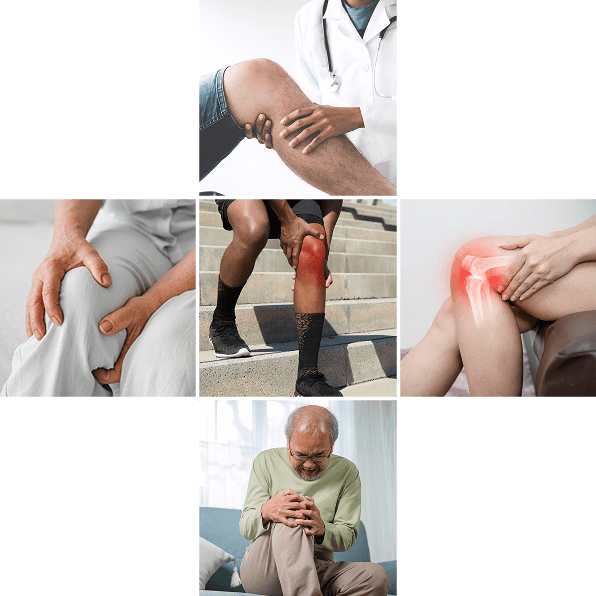
Why Choose Rungta Hospital for Ghutno ka Treatment?
Knee pain doesn’t just affect your joints — it affects your independence, confidence, and daily life. At Rungta Hospital, knee treatment is designed around long-term relief, not temporary fixes.
- Long-lasting pain relief, not just symptom control
- 1-to-1 personalised treatment plans
- Day-care & minimally invasive procedures where applicable
- US FDA-approved techniques & implants
- Complete guidance from diagnosis to recovery
This isn’t rushed treatment.
This is structured, specialist-led care.
Meet Our Knee Treatment Specialist
Dr. Bharat Dhanjani
MBBS, MS - Orthopaedics.
Senior Orthopedic & Knee Replacement Surgeon
Dr. Bharat Dhanjani is a highly experienced orthopedic surgeon with a focused practice in knee pain management and knee replacement surgery. With decades of hands-on experience, he has helped thousands of patients regain mobility and live pain-free lives.
His approach is simple:
Accurate diagnosis
Honest treatment recommendations
Surgery only when truly required
Strong post-surgery rehabilitation support
Patients trust him not just for surgery — but for clear guidance and compassionate care.

Why Choose Rungta Hospital
Knee Replacement Hospital in Jaipur
| Advantages | Rungta Hospital | Other Hospitals |
|---|---|---|
| Multi-Disciplinary Approach |  |  |
| Comprehensive Recovery Plan | | |
| 15+ Years of Pain Specialist Experience | | |
| End to End Insurance Support | | |
| Cost-Effective Treatments | | |
| 1-1 Personalised Care | | |
Knee Pain Treatments at Rungta Hospital
We offer a step-by-step treatment approach, starting from non-surgical options to advanced knee replacement surgery — depending on what your condition actually needs.
Genicular Nerve Block
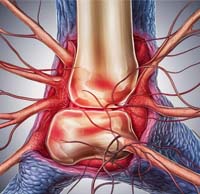
Process:
Targeted nerve injections are administered around the knee joint to block pain signals at the source.
Benefits:
- Reduces chronic knee pain
- Helps avoid or delay surgery
- Improves mobility and comfort
- Day-care procedure with quick recovery
Radiofrequency Ablation (RFA)
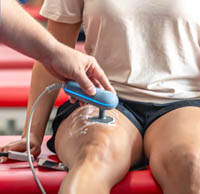
Process:
Heat energy is used to deactivate pain-transmitting nerves around the knee.
Benefits:
- Long-term pain relief
- Minimally invasive
- Faster recovery
- Suitable for patients not ready for surgery
Knee Replacement Surgery

Process:
Damaged knee joint surfaces are replaced with advanced implants designed for long-term durability and movement.
Benefits:
- Permanent pain relief
- Improved walking & daily activity
- Better quality of life
- Proven success for advanced arthritis
Book your Free Knee
Assessment today
Not sure whether you need surgery or not?
Start with a proper orthopedic evaluation.
Our specialists will:
- Understand your pain
- Review scans and reports
- Explain the best next step — honestly
What Our Patients Say About Us!
Empaneled with all major Empanelments and TPA’s





Have Questions?
We’re Here to Help!
Is knee replacement the only option for knee pain?
No. Knee replacement is recommended only when non-surgical treatments like medication, physiotherapy, injections, or nerve procedures no longer provide relief. Our doctors first explore conservative options before suggesting surgery.
How do I know if I actually need knee replacement surgery?
If knee pain limits your daily activities, disturbs sleep, or doesn’t improve with medicines and therapy, surgery may be considered. A proper clinical evaluation and imaging help determine this accurately.
What tests are required before knee replacement surgery?
Typically, X-rays, blood tests, and a general health assessment are done to ensure the surgery is safe and suitable for you.
Is knee replacement safe for elderly patients?
Yes. Age alone is not a barrier. If overall health is stable, knee replacement can significantly improve mobility and quality of life, even for senior patients.
How long does the knee replacement surgery take?
The procedure usually takes around 1–2 hours, depending on the complexity and the patient’s condition.
Will I be able to walk after knee replacement surgery?
Yes. Most patients are encouraged to stand and walk with support within 24–48 hours after surgery under physiotherapist supervision.
How painful is recovery after knee replacement?
Some discomfort is normal, but pain is managed with medication and physiotherapy. Pain reduces gradually as healing progresses.
How long will the knee implant last?
Modern knee implants are designed to last 15–20 years or more, depending on activity level, weight, and post-surgery care.
Do I need to stay in the hospital after surgery?
Yes. A short hospital stay is required for monitoring, pain management, and early rehabilitation.
How do I book a consultation at Rungta Hospital?
You can fill out the form on this page or call our hospital directly to schedule your orthopedic consultation.
Will I need physiotherapy after surgery?
Yes. Physiotherapy is a critical part of recovery. It helps regain strength, flexibility, and proper knee movement.
How soon can I return to daily activities?
Most patients can resume basic daily activities within 3–6 weeks. Complete recovery and confidence in movement improve over time.
Can both knees be replaced at the same time?
In some cases, yes. This decision depends on your overall health and is made after detailed evaluation by the orthopedic surgeon.
What are the risks involved in knee replacement surgery?
Like any surgery, there are risks, but serious complications are rare when performed by experienced surgeons in a well-equipped hospital.
Is knee replacement covered under insurance?
Most health insurance policies cover knee replacement surgery. Our team provides end-to-end assistance with insurance and documentation.
What is the success rate of knee replacement surgery?
Knee replacement has a high success rate, with most patients experiencing significant pain relief and improved mobility.
Can I delay knee replacement surgery?
In early stages, yes. However, delaying surgery in advanced cases may worsen joint damage and affect recovery outcomes.
When can I climb stairs after knee replacement?
With proper physiotherapy, many patients start climbing stairs with support within a few weeks.
Will I be able to sit on the floor or squat after knee replacement?
This depends on individual recovery, implant type, and physiotherapy. Your doctor will guide you on safe movements.
What is the cost of knee replacement surgery in Jaipur?
The cost depends on implant type, procedure, and medical condition. A detailed estimate is shared after evaluation.